Monday, 25 October 2021
Using Data To Make Better Decisions
Wednesday, 20 October 2021
WHAT HAPPENS WHEN BLOCKCHAIN, IOT, AND AI CONVERGE?
Blockchain, internet of things (IoT), and artificial intelligence (AI) are driving the digital transformation of the post pandemic era.
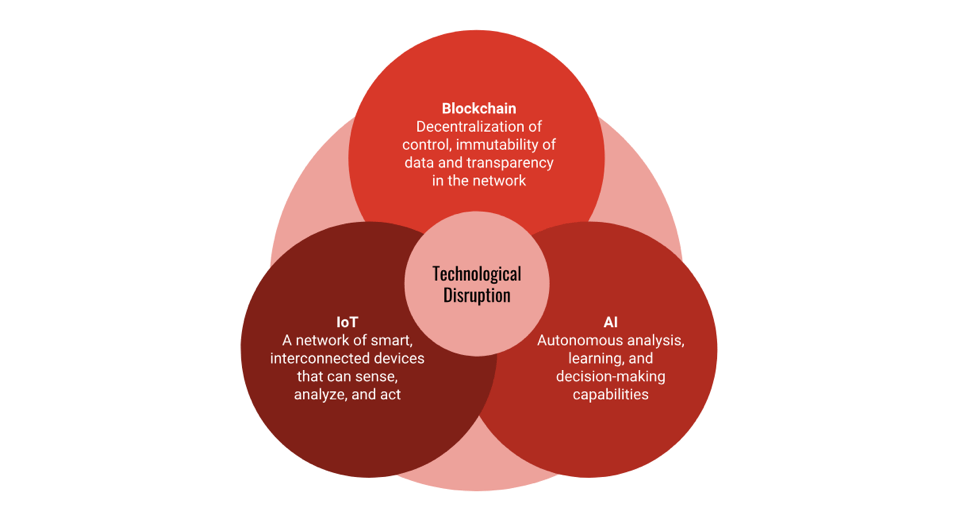
The inevitable convergence of blockchain, IoT, and AI can form an impactful combination of security, interconnectivity, and autonomy to revolutionize the way things are done.
‘Synergy’ is a word that refers to a collaboration of entities that creates an impact much greater than that possible by the individual entities on their own. The convergence of blockchain, IoT, and AI is just that - a combination of technologies that have the potential to redefine the way businesses, industries, and even economies function, way more than they are already doing. A few applications and concepts have already seen an overlap between these technologies, with promising results. An example of this is the combination of AI and blockchain to manage UAV air traffic, making mass autonomous flight safer. This application alone, upon materialization, will redefine quite a number of industries like aviation and logistics. Thus, it’s not hard to imagine the impact that the combination of blockchain, IoT, and AI can have on the world. To understand the implications of the coalition of these technologies, it is first important to understand what they individually bring to the table.
Blockchain, IoT and AI Assessed Individually

Blockchain, the foundational technology for the cryptocurrency Bitcoin, enables a large number of computers to collectively perform computational tasks together and store information in a decentralized, immutable, and universally accessible manner. Various organizations, consortia, as well as industries, are considering using blockchain as a platform for consensus to democratize the decision-making processes among partners.
The internet of things (IoT) provides seamless interconnectivity among different everyday objects armed with sensors, microprocessors, and transducers to create a network that can independently sense and gather data, continually analyze it, and perform programmed tasks when the situation calls for it.
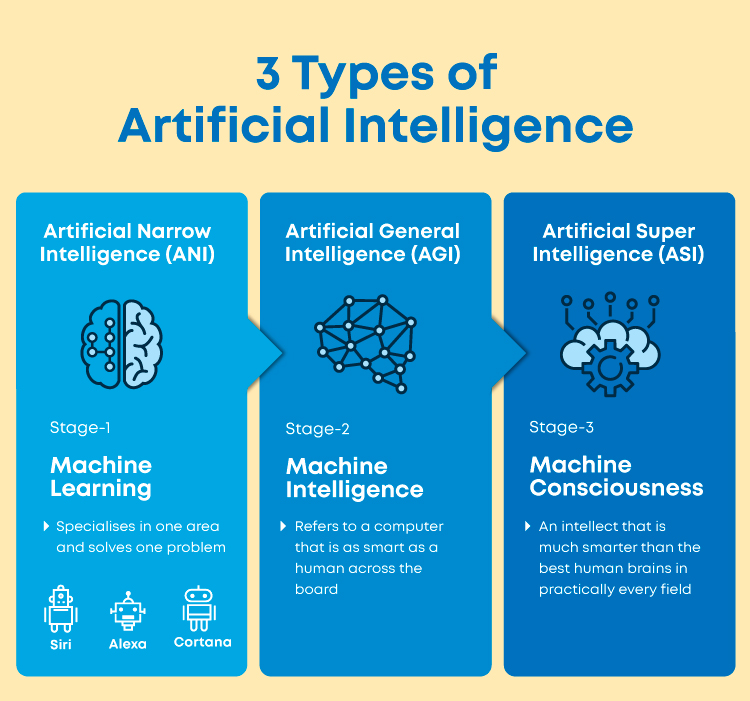
Artificial intelligence (AI) gives full autonomy of data analysis, decision-making and action to computers or other smart devices. It can replicate and even exceed human computational and cognitive capabilities under certain conditions, businesses are using AI to automate mainly repetitive, routine processes that may require heavy amounts of data processing and quick decision-making based on pure logic.
Combining Blockchain, IoT, and AI
The convergence of blockchain, IoT, and AI can enable organizations to maximize the benefits of each of these technologies while minimizing the risks and limitations associated with them. As IoT networks comprise a myriad of connected devices, there are numerous vulnerabilities in the network, leaving it prone to hacker attacks, fraud, and data theft. To prevent security issues, AI powered by machine learning can proactively defend against malware and hacker attacks. The security of the network and the data can be further enhanced by blockchain, which can limit illicit access and modification of the data on the network. AI can also enhance the functional capability of the IoT network by making it smarter and more autonomous.

A potential case that demonstrates the convergence of blockchain, IoT, and AI is Fujitsu’s algorithm to measure workers’ heat stress levels. The algorithm constantly monitors workers’ physiological data such as temperature, humidity, activity levels, pulse, etc. using IoT wearables and sensors to track the correlation between different factors with workers’ health. The analysis can help the company improve working conditions for employees, and prevent them from having severe work-induced health issues. The addition of blockchain to this system can help to keep track of more personalized data by ensuring privacy or can help disburse health insurance amounts using smart contracts. Although the expected impact of the convergence of blockchain, IoT, and AI is exciting to think about, existing applications of these technologies are far from perfect. While 61% of companies claim to have adopted AI, their applications are still in the early stages and nowhere near the levels of sophistication required to achieve real transformation.
The same can be said for IoT and blockchain. However, with increased interest, investment, and innovation, the convergence of blockchain, IoT, and AI will eventually be a reality.
#ArtificialIntelligence #technology #innovation #5G
#Python #coding #BigData #coding #CyberSecurity #Future #devops #java #CloudComputing #django #100DaysOfCode #bot #TensorFlow #COVID19 #RHOP #ITC
Monday, 11 October 2021
What are the 7 Terrifying Use Cases of #ArtificialIntelligence
Many advances in artificial intelligence (AI) are fascinating, but some recent use cases are downright creepy.
AI is being increasingly used to make important decisions. Major tech companies are the primary ones driving AI advances, and their algorithms impact billions of people. Unfortunately, these companies have zero accountability.

Source: Great Learning
YouTube (owned by Google) is helping to radicalize people into white supremacy. Google allowed advertisers to target people who search racist phrases like “black people ruin neighborhoods” and Facebook allowed advertisers to target groups like “jew haters”. Amazon’s facial recognition technology misidentified 28 members of congress as criminals, yet it is already in use by police departments. The newsfeed/timeline/recommendation algorithms of all the major platforms tend to reward incendiary content, prioritizing it for users.
While it can be easy to focus on regulations that are misguided or ineffective, we often take for granted safety standards and regulations that have largely worked well.
Here are 7 terrifying artificial intelligence use cases:
1. Advanced Military Robots

Source: Army.ml
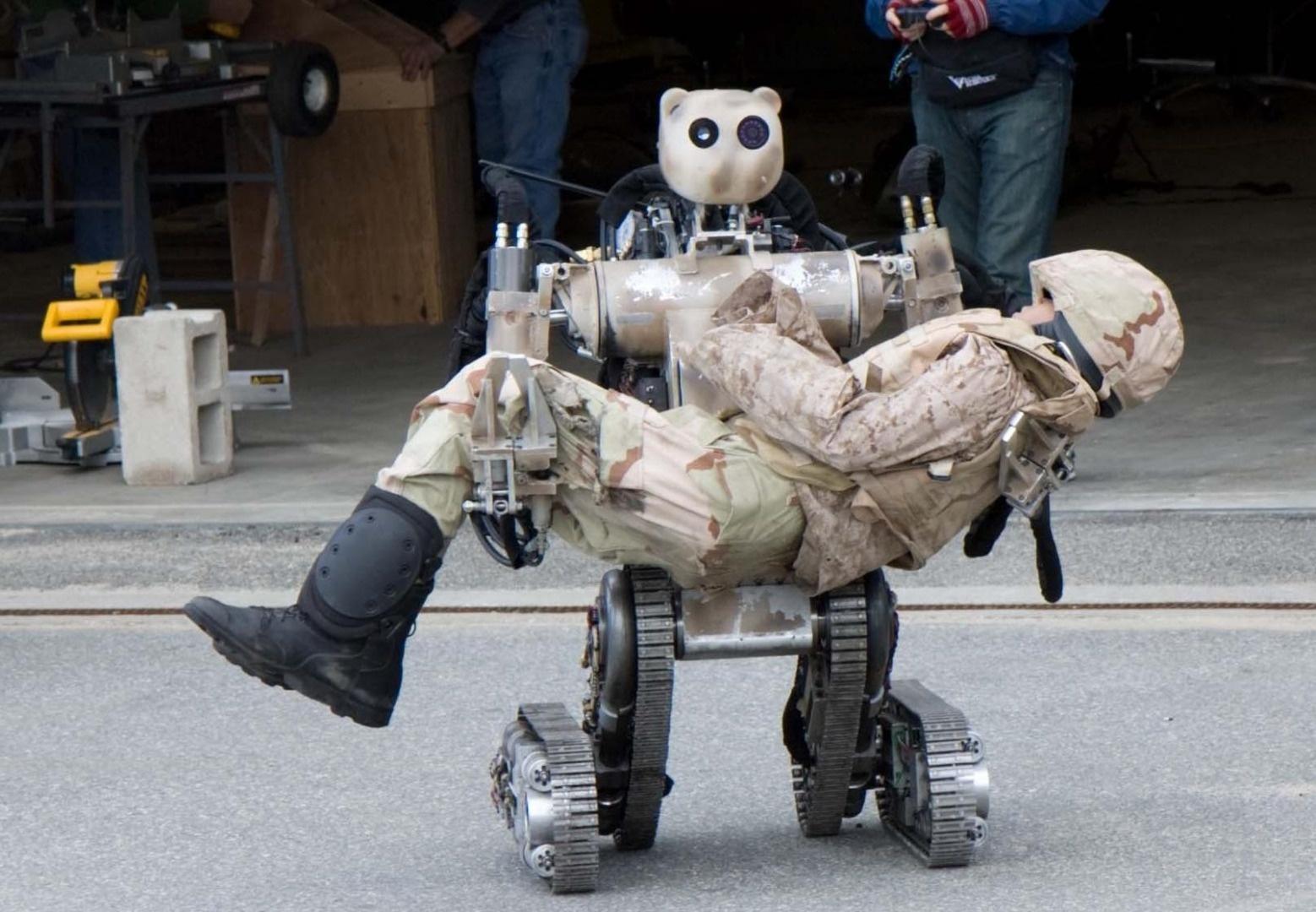
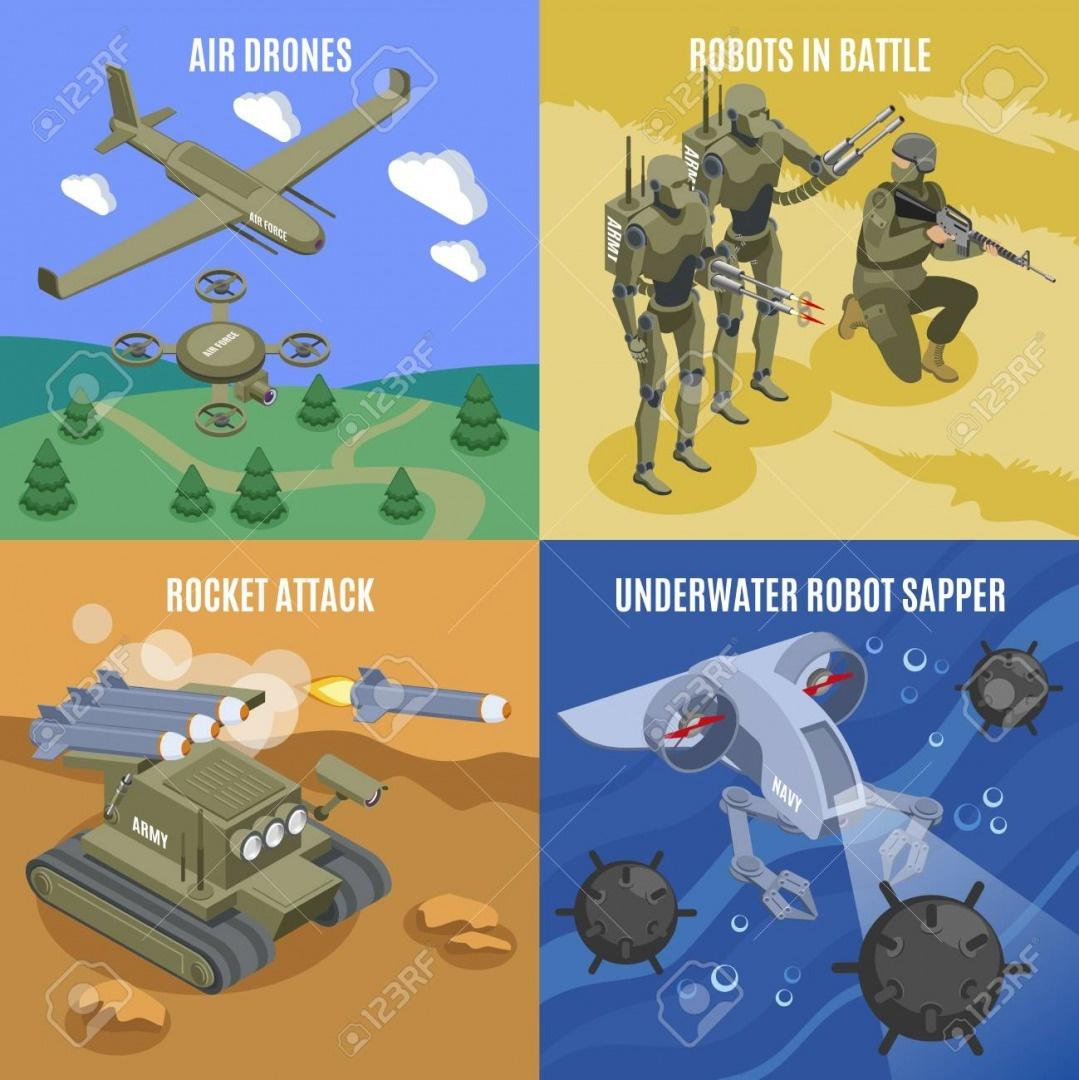
Military robots are autonomous robots designed for military applications from transport to search & rescue and attack. One of the scariest potential uses of AI and robotics is the development of a robot soldier. Although many have moved to ban the use of so-called "killer robots," the fact that the technology could potentially power those types of robots soon is upsetting, to say the least. In an experiment conducted by the scientists of Intelligent Systems in Switzerland, robots were made to compete for a food source in a single area. The robots could communicate by emitting light and, after they found the food source, they began turning their lights off or using them to steer competitors away from the food source.

Source: 123RF
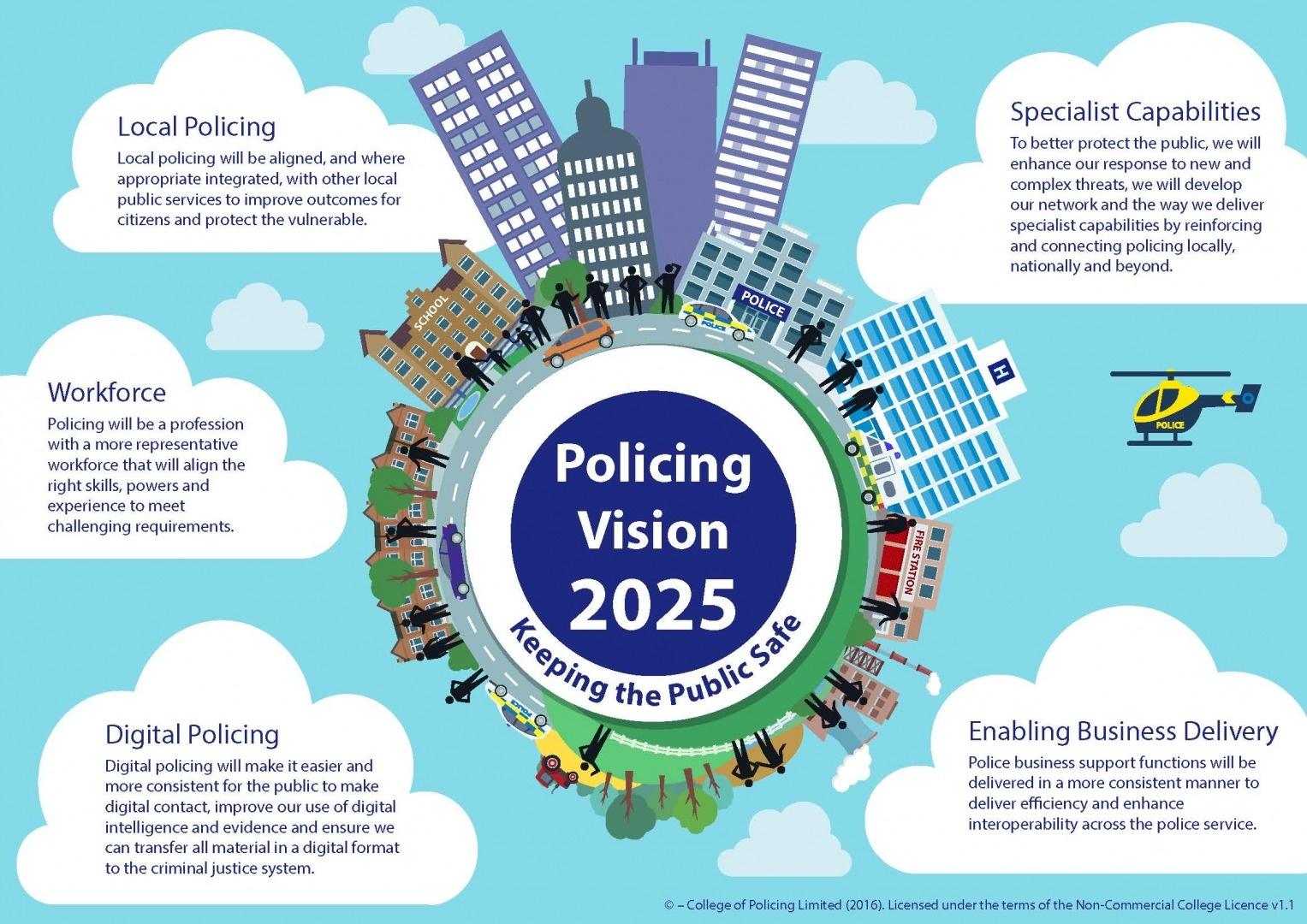
2. Artificial Intelligence Police

Source: National Police Chiefs' Council
Artificial intelligence could change policing. Police in certain cities around the US are experimenting with an AI algorithm that predicts which citizens are most likely to commit a crime in the future. Hitachi announced a similar system back in 2015. Maybe the film Minority Report wasn't completely off base in its representation of the future?
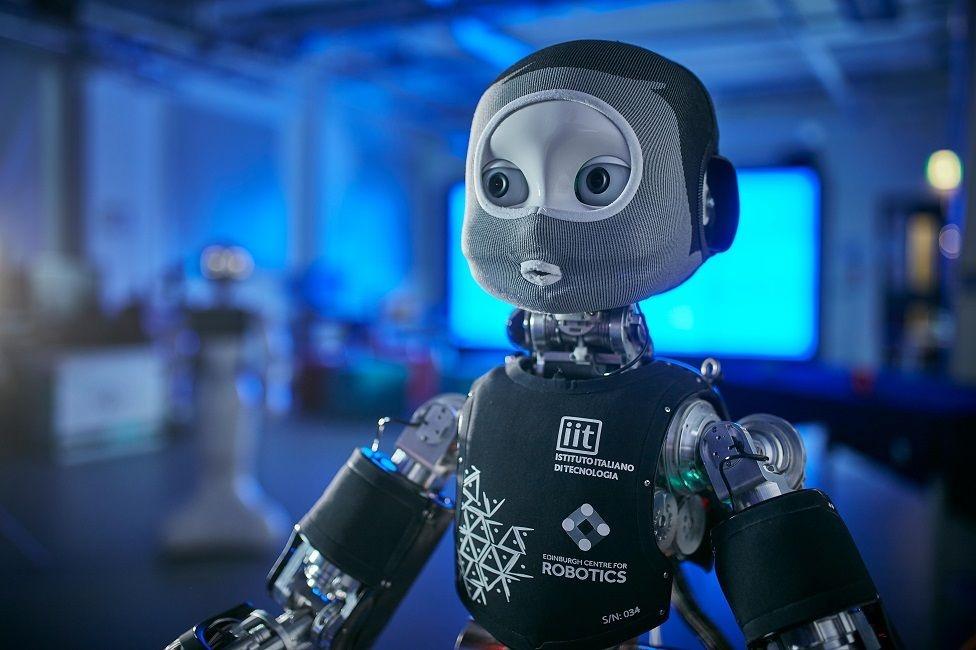
3. Robot Doctors

Source: BBC
One of the biggest industries that AI could potentially benefit is healthcare. AI is already in use in many fields of medicine, even helping doctors decide on treatment. But, what if that AI system misses a critical aspect of your medical history or makes the wrong recommendation? Cases of AI being discriminatory in healthcare have been frequently documented in the past. Currently, AI-based suggestions are not considered to be superior to an experienced physician’s calls. However, it is very likely that, at some point in the future, AI will be the standard-setter in terms of human bodily diagnostics, treatment suggestions, and implementation.
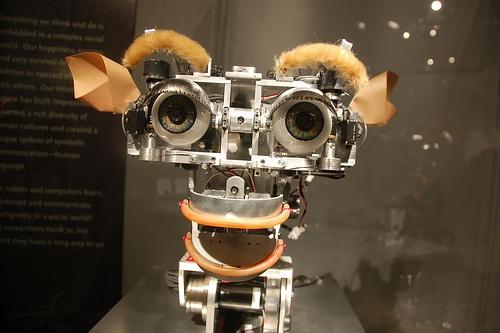
4. Schizophrenic AI Robots

Source: Daily Bits
Researchers at the University of Texas at Austin and Yale University used a neural network called DISCERN to teach the system certain stories. To simulate an excess of dopamine and a process called hyperlearning, they told the system to not forget as many details. The results were that the system displayed schizophrenic-like symptoms and began inserting itself into the stories. It even claimed responsibility for a terrorist bombing in one of the stories.
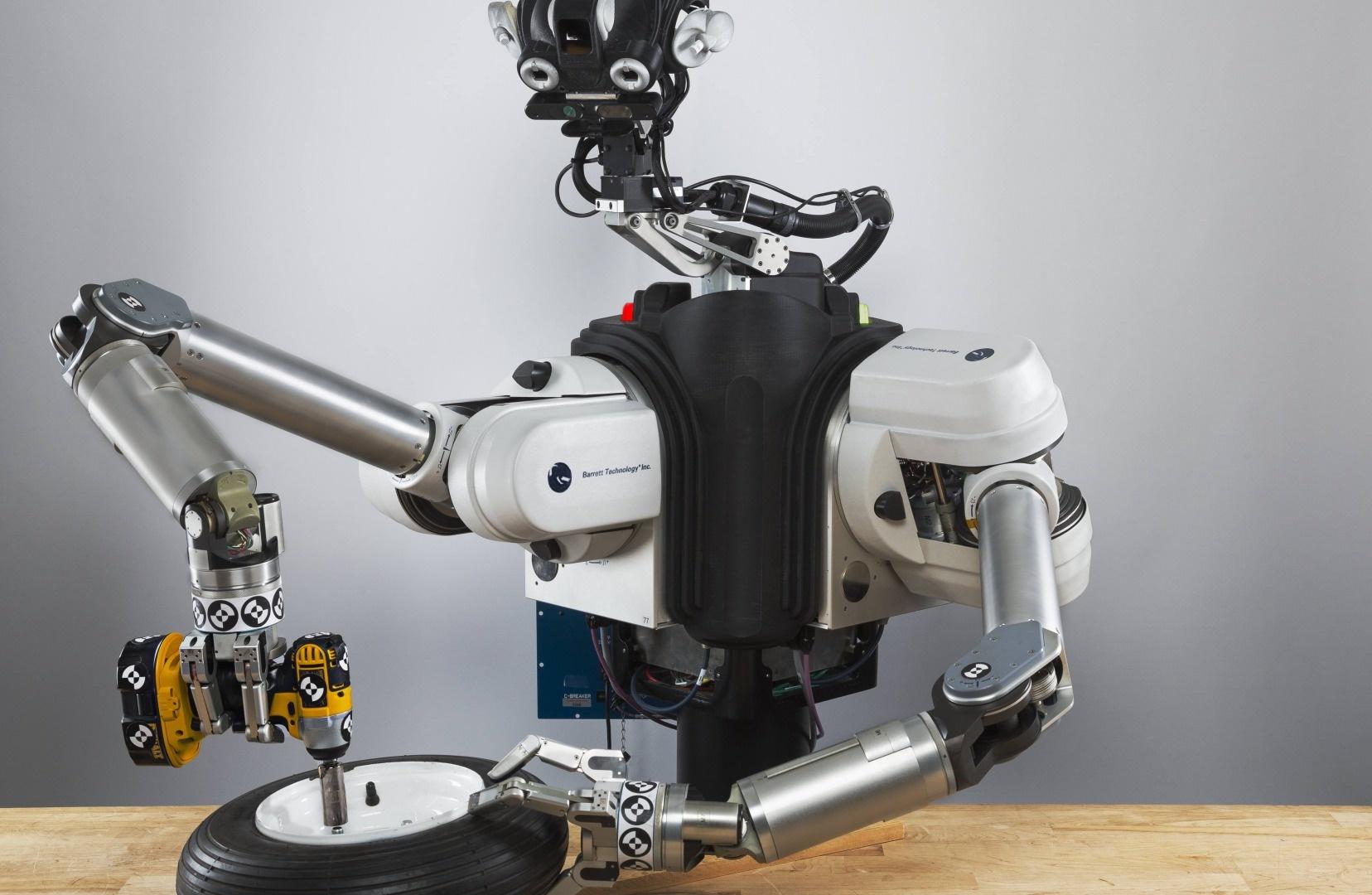
5. Manipulative AI Robots

Source: Autonomous Motion
In many cases, robots and AI systems seem inherently trustworthy--why would they have any reason to lie to or deceive others? Well, what if they were trained to do just that? Researchers at Georgia Tech have used the actions of squirrels and birds to teach robots how to hide from and deceive one another. The military has reportedly shown interest in the technology.
6. Artificial Intelligence Powered Robot Lovers
Source: The Sun
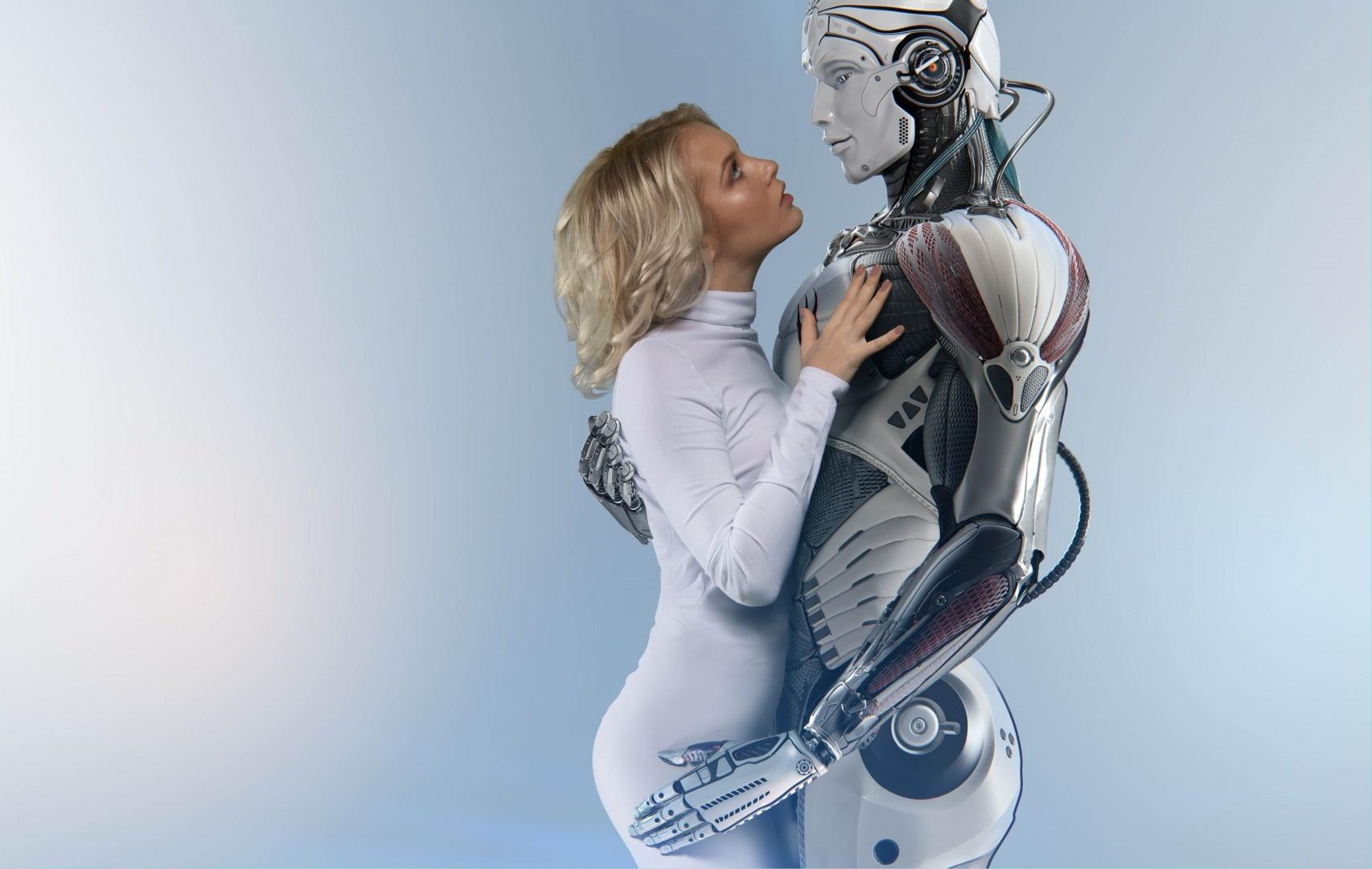
Among the many ethical concerns posed by robots and the AI systems that power them is the idea that humans could love, or at least copulate with, a robot companion. Companies are already trying to make "sex robots" a reality, and opponents are campaigning against it fervently. A machine will never replace genuine humanfeelings and emotions even if it is a sophisticated one. Building a relationship with a robot is weird. The choices we make, the actions we take, and the perceptions we have are all influenced by the emotions we are experiencing at any given moment.
7. Self Learning AI Supercomputers That Can Predict The Future

Source: Times Higher Education
Nautilus is a supercomputer that can predict the future based on news articles. It is a self-learning supercomputer that was given information from millions of articles, dating back to the 1940s. It was able to locate Osama Bin Laden within 200km. Now, scientists are trying to see if it can predict actual future events, not ones that have already occurred.
Conclusion
Artificial intelligence (AI) is a great technological advancement and promises to eventually dominate almost every domain. AI is seeping into several industries, revolutionizing the way they conduct their business and manage their workforce.
It may undoubtedly prove beneficial for the future but a complete AI takeover is also highly likely, if due measures aren’t taken now. Today, the use of AI has spread to almost every field of human activity. AI is like a mischievous kid that can’t be left alone and constantly needs adult supervision, and carelessness in controlling the technology can lead to an AI takeover.